
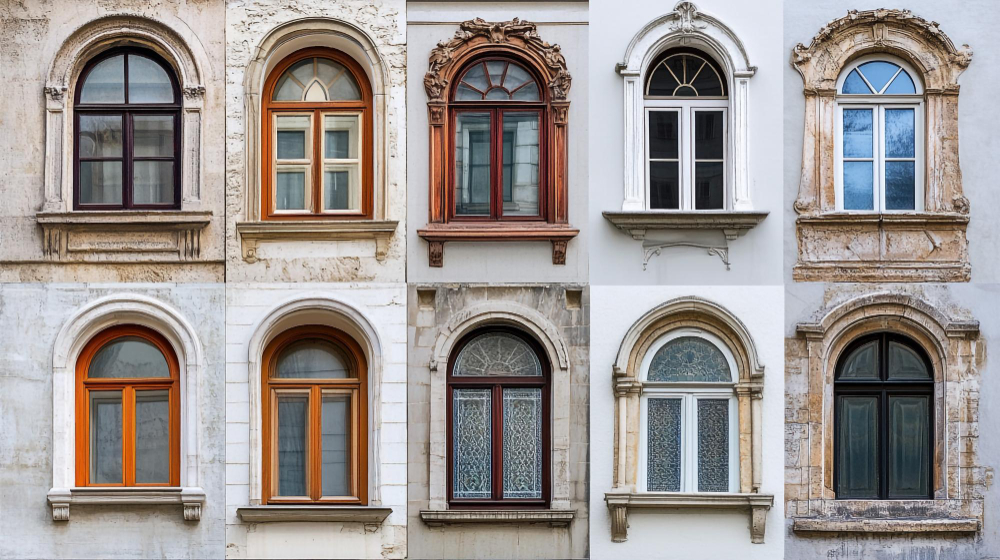
The Windows in Your Historic Building Are Worth Saving. Here’s How to Do It Without Sacrificing Comfort.
Historic windows are more than functional elements. They’re part of a building’s architectural identity, crafted from old-growth timber that is denser and more durable than virtually anything produced today. Replacing them doesn’t just change the look of a building; it permanently destroys irreplaceable material and craftsmanship.
But the pressure to replace is real. Historic windows are drafty. They’re cold to the touch in winter. Heating bills can feel punishing. And in many cases, building owners and tenants feel stuck between the obligation to preserve and the practical need for comfort and efficiency.
At Winsulator Technologies, we built our Heritage Series specifically for this challenge. Our magnetic window insulating panels work with your existing historic windows, not against them, improving energy efficiency and comfort while leaving the original glass, frames, and hardware completely intact.
Why Historic Window Replacement Is Often the Wrong Choice
The preservation community has made this case compellingly for decades, and the evidence strongly supports it. The National Park Service’s Preservation Briefs on historic windows explicitly state that repair and retrofit should be prioritized over replacement, both for preservation reasons and for long-term performance.
Old-growth wood windows, when properly maintained, can last for centuries. The replacement windows that are offered as modern alternatives have projected lifespans of 20 to 30 years before seals fail, frames warp, or coatings degrade. Over the life of a historic building, that’s multiple replacement cycles, each one consuming resources and generating waste.
There’s also the regulatory dimension. Many historic properties are listed on the National Register of Historic Places or located within local historic districts. These designations often come with restrictions or guidelines that prohibit or discourage altering or replacing original windows. Building owners who proceed with replacement can face complications with preservation easements, historic tax credits, and local historic preservation commissions.
Secondary glazing with our Heritage Series panels sidesteps these issues entirely because nothing about the original window is altered.
How Secondary Glazing Works on Historic Windows
Secondary glazing refers to a second layer of glazing added to the interior side of an existing window. Unlike storm windows, which are added to the exterior and often require hardware attachment to the frame, interior secondary glazing is completely reversible and leaves no mark on the original window.
Our Heritage Series uses the same patented magnetic dead air seal technology as our other product lines, adapted specifically for the profiles, irregularities, and character of historic window frames. Historic windows are rarely perfectly square. They settle, shift, and develop their own geometry over decades and centuries. Our installation system accommodates this reality.
A thin magnetic channel is applied to the interior face of the window stop or surround. The insulating panel attaches magnetically, conforming to the frame and creating a consistent seal even where the frame profile is not perfectly uniform. The application is completely reversible: the magnetic channel can be removed without damage to the original wood.
The result is a dead air layer between the insert and the historic glass that dramatically improves thermal performance without any irreversible modification.
Explore the Heritage Series specifications on our website to understand how the system adapts to different historic window configurations.
The Energy Performance Case for Historic Properties
One of the most persistent myths in the historic preservation world is that old windows are inherently energy-inefficient and that the only path to modern performance levels is replacement. Research from Oak Ridge National Laboratory and independent preservation consultants has consistently challenged this assumption.
A well-maintained historic window with an interior secondary glazing insert can achieve thermal performance comparable to a new double-pane window, and in some cases better, due to the width of the air gap that secondary glazing creates. Our panels can reduce energy usage by up to 40%, a figure that applies to historic buildings just as it does to standard residential properties.
For owners of historic properties who are also managing operating costs, this is significant. Heating a large historic commercial building or multi-unit residential property is a major expense. Secondary glazing with our Heritage Series delivers genuine energy savings while protecting the building’s historic integrity.
The Advisory Council on Historic Preservation supports the use of reversible, non-destructive energy improvement strategies for historic properties, which aligns directly with how our Heritage Series is designed to function.
Preserving Character While Improving Livability
Historic windows are often characterized by divided lights, wavy glass, original hardware, and proportions that define a building’s period character. These are the features that make historic properties valuable and distinctive.
Our Heritage Series panels are designed to be visually unobtrusive. The panels are custom-fitted to each window opening, and the magnetic channel at the perimeter is slim and low-profile. When the panel is in place, the original window character remains visible. Wavy glass still shows its beautiful imperfections. Divided light patterns are preserved. The room still reads as historically authentic.
This matters both aesthetically and practically. For properties open to the public, such as museums, historic house museums, inns, and commercial spaces in historic districts, maintaining the visual authenticity of windows is essential to the visitor and guest experience.
We’ve worked on a wide range of historic property types, from private homes in historic neighborhoods to large commercial buildings and institutional properties. Every installation is treated as a preservation project, not just a product sale.
Learn more about the full scope of our work with historic properties at Winsulator Technologies.
Practical Steps for Historic Property Owners
If you’re managing or owning a historic property and considering your options for improving window performance, here is the process we recommend.
First, assess the current condition of your existing windows. Functional historic windows in reasonable repair are excellent candidates for our Heritage Series. Windows that need significant glazing putty work or repainting should have that maintenance completed first, as secondary glazing makes maintenance access more involved.
Second, identify your primary performance goals. Are you primarily addressing heat loss, drafts, noise, or some combination? Different configurations of the Heritage Series optimize for different outcomes.
Third, contact our team for a consultation. We’ll review your window inventory, discuss your performance goals, and provide a detailed proposal that respects both your preservation obligations and your comfort needs.
Preserving the Past While Living Comfortably in the Present
Historic window preservation and modern comfort are not opposing goals. With the right secondary glazing technology, you can have both.
Our Heritage Series magnetic window insulating panels let you honor the craftsmanship, history, and integrity of your original windows while significantly improving energy efficiency, reducing noise, and eliminating drafts. No replacement. No alteration. No regrets.
If you’re ready to explore what the Heritage Series can do for your historic property, reach out to the team at Winsulator Technologies. We understand the unique demands of historic preservation, and we’re here to help you find the right path forward for your building.